In short
- Visit before 9 AM or after 4 PM to beat peak daytime crowds.
- Shoulder seasons (September to November and April to May) are quieter.
- The park is open 24 hours a day, 365 days a year.
In this article
With over 1.4 million visitors annually, daytime at the park gets busy. Planning your arrival outside of peak hours makes exploring easier. You will find better parking and experience quieter trails.
What is the best time of day to avoid crowds?
Arrive before 9 AM or after 4 PM.
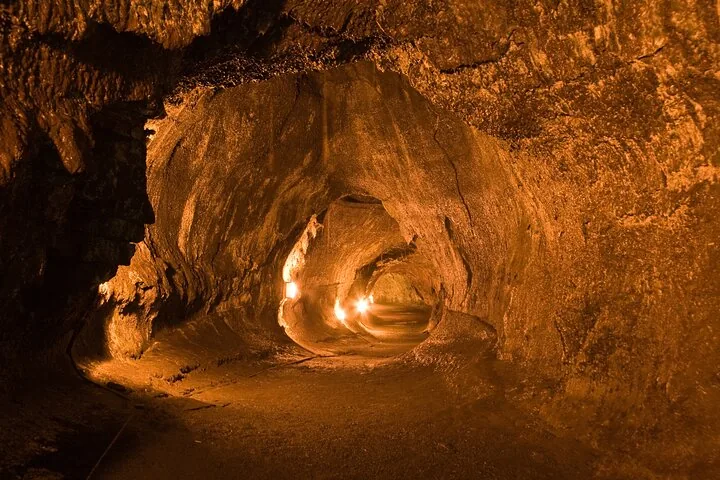
Peak visitor hours fall between 10 AM and 3 PM. Early mornings offer empty trails and easy parking. Popular spots like Nāhuku (Thurston Lava Tube) are best visited during these quiet hours. Late afternoons bring cooler temperatures and fewer tour buses.
When is the best time of year to visit Hawaii Volcanoes National Park?
The shoulder seasons of September through November and April through May.
These months see fewer tourists compared to busy summer and winter holidays. The park remains open 365 days a year. Summit weather is unpredictable. You should pack warm layers and rain gear regardless of the month.
Can I visit Hawaii Volcanoes National Park at night?
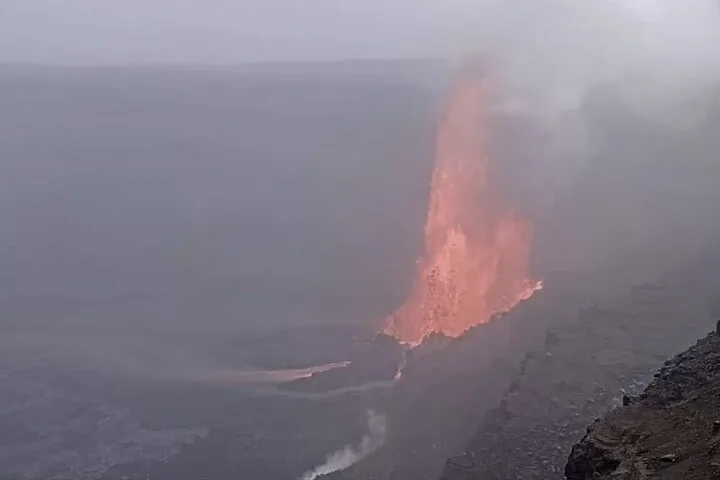
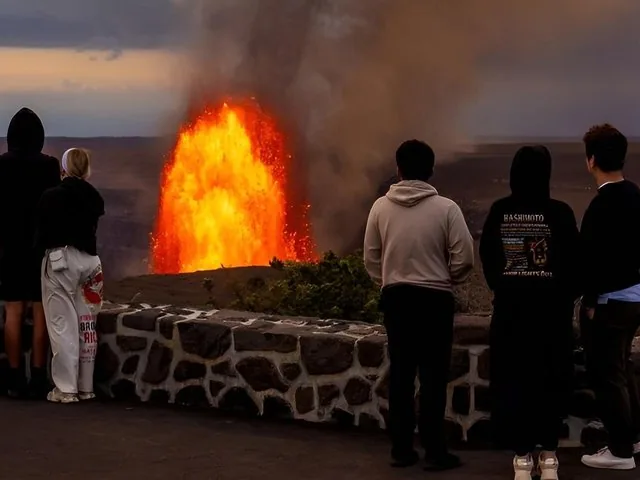
Yes, the park is open 24 hours a day.
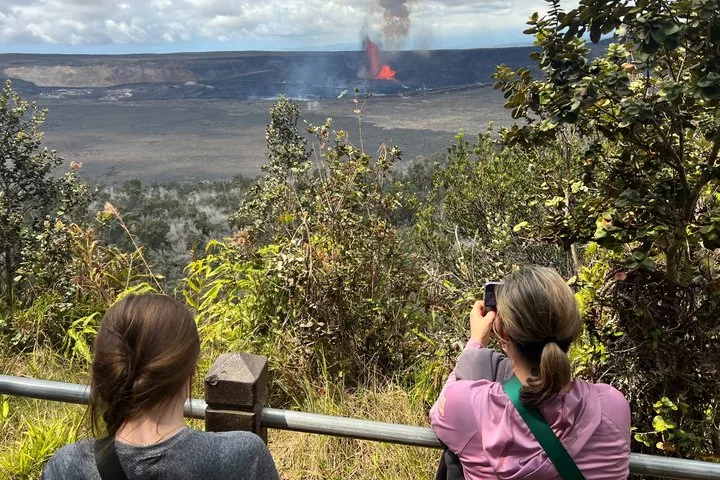
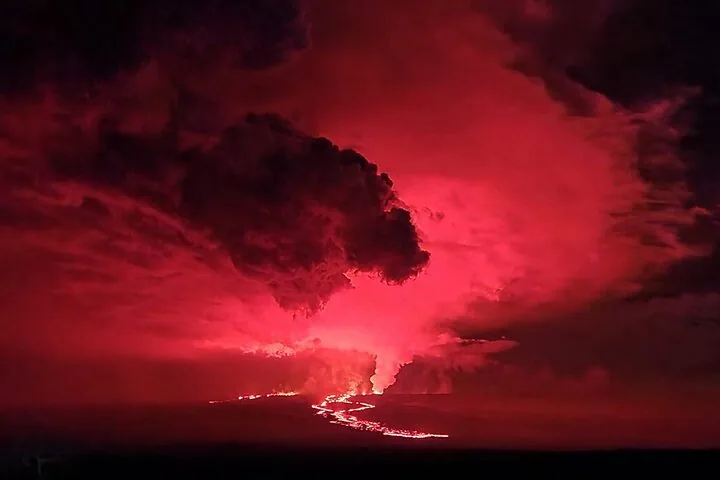
Visiting after dark is the best way to see the glow of active volcanic vents. Nighttime visits require a flashlight or headlamp to navigate safely. The 4,000-foot summit gets chilly at night. Bring a fleece or sweater to stay warm.

How does timing affect parking?
Parking lots fill up quickly during the middle of the day.
Lots at the Kīlauea Visitor Center often reach capacity by 10 AM. Arriving early guarantees a parking spot. If you arrive mid-day, you might have to circle for parking or walk longer distances.

What time is best for hiking in the park?
Early morning is the best time for hiking.
Morning hikes offer cooler temperatures. You also have a higher chance of clear views before afternoon mists roll in. Trails like the 3.3-mile Kīlauea Iki loop are less crowded early in the day.
Are guided tours better at specific times?
Tours typically run a full day and handle the timing for you.
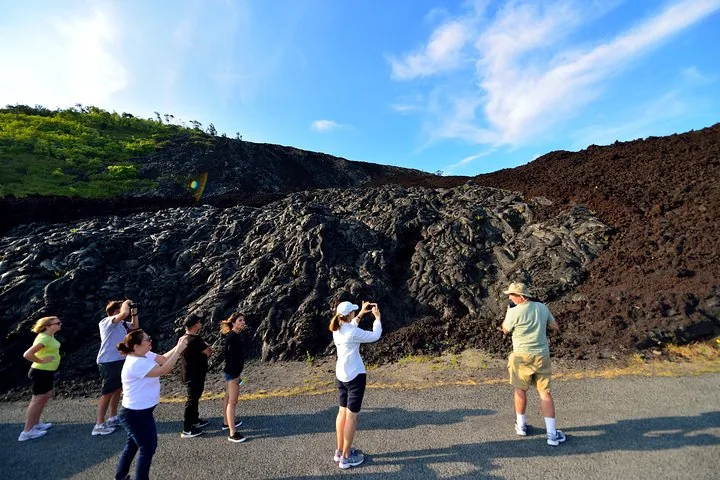
If you prefer not to worry about parking, book a guided tour. These last 8 to 12 hours. Guides know the best times to hit busy spots. They provide deep geological context along the way.
Questions travellers ask
Is the park open on holidays?
Yes. Hawaii Volcanoes National Park is open 24 hours a day, 365 days a year.
Do I need a reservation to enter the park?
No advance reservations are required for general entry. You pay the $30 private vehicle fee at the entrance station.
What happens if I visit during the rainy season?
The summit weather is frequently misty and rainy year-round. Always bring a waterproof poncho or rain jacket and sturdy closed-toe shoes.