In short
- Check for vog (volcanic smog) warnings before arriving.
- Keep children away from trail edges and steep drop-offs.
- Start at the Kīlauea Visitor Center for ranger programs.
In this article
Visiting an active volcano with children requires extra caution, but it is highly manageable. The park offers several short, accessible trails and educational opportunities. You just need to avoid specific hazards like toxic gases and uneven terrain.
Is the volcano safe for young children?
Yes, as long as you stay on marked trails and monitor the daily air quality.
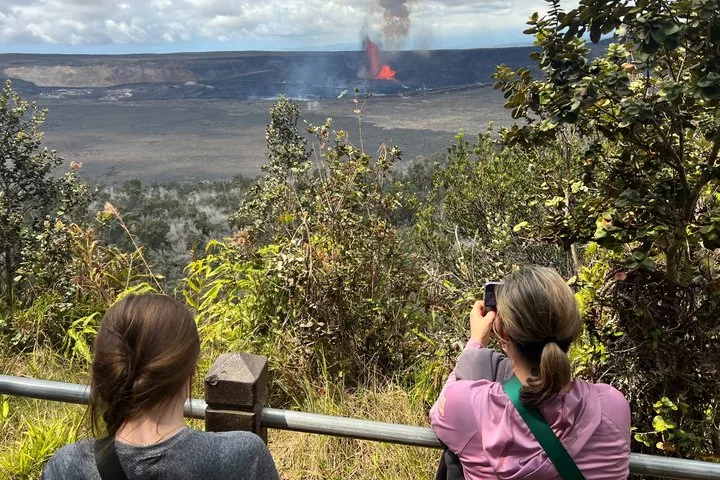
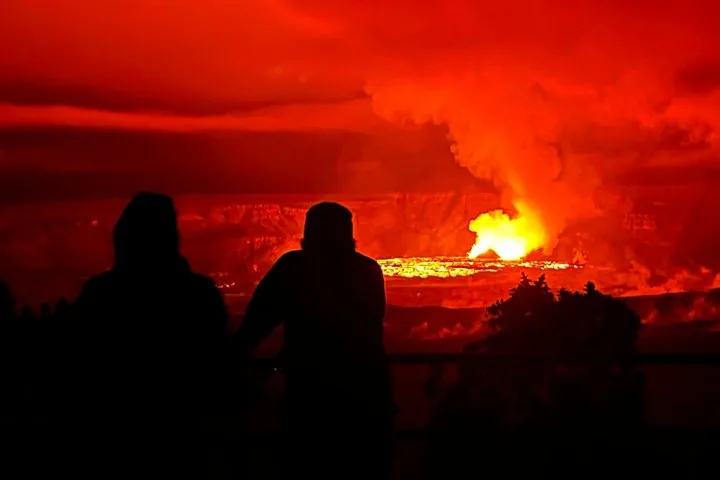
Volcanic gases like sulfur dioxide can be dangerous for young children. Check the Kīlauea Visitor Center for the latest gas updates. You must also keep kids away from sudden drop-offs near craters and steam vents.
What are the best kid-friendly trails?
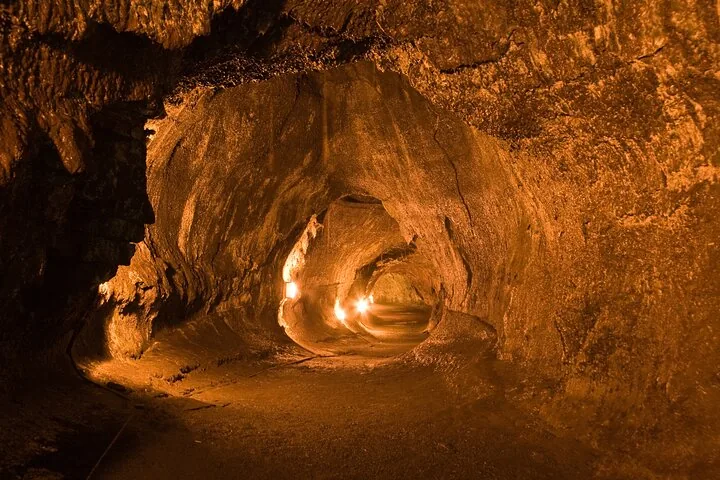
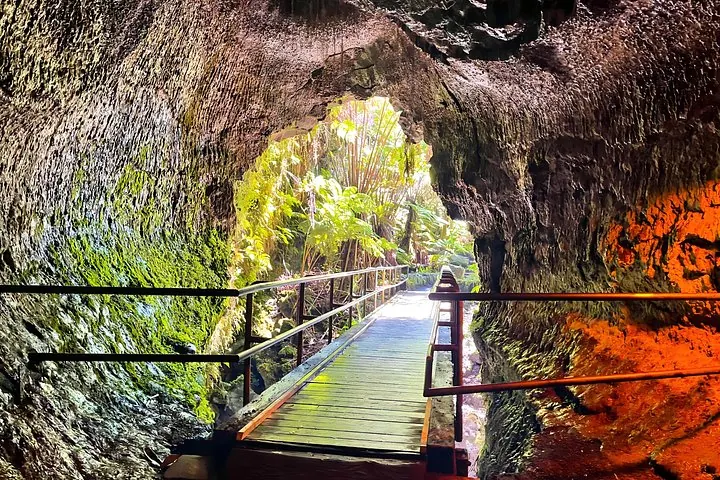
Devastation Trail and Nāhuku (Thurston Lava Tube) are excellent choices for families.
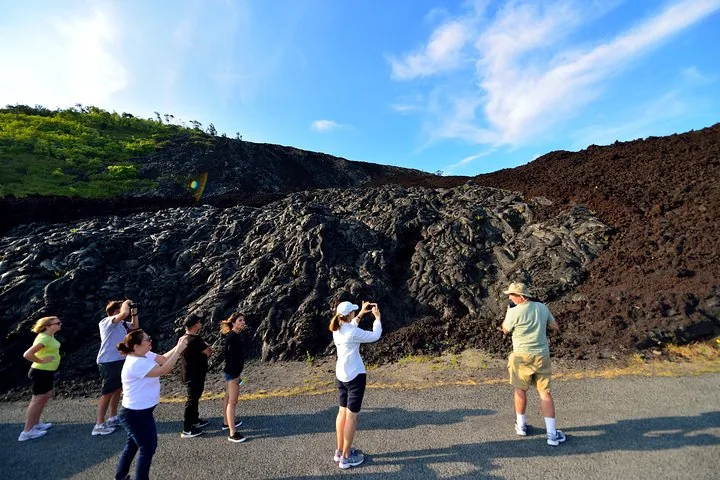
Devastation Trail is a short, 30-minute paved path where kids can spot native nēnē geese. Nāhuku takes about 45 minutes and lets children walk through a 500-year-old underground cave. Avoid Haʻakulamanu (Sulphur Banks) because of the strong sulfur dioxide gases.

What is the Junior Ranger program?
It is an educational activity you can start at the Kīlauea Visitor Center.
Talk to rangers when you arrive to get your children involved. The visitor center also shows a park film and provides the daily ranger-led program schedule. It takes about 30 minutes to explore the exhibits here.
What should kids wear to the park?
Children need warm layers, rain jackets, and sturdy closed-toe shoes.
The Kīlauea Visitor Center sits at an elevation of roughly 4,000 feet, making it chilly and misty. Closed-toe shoes are mandatory for walking safely on sharp, uneven lava rocks. Do not forget sun protection, including reef-safe sunscreen and wide-brimmed hats.
What hazards should parents watch for?
Parents must monitor vog, hidden cracks, and steep drop-offs.
- Vog: Volcanic smog can harm children with asthma or respiratory issues.
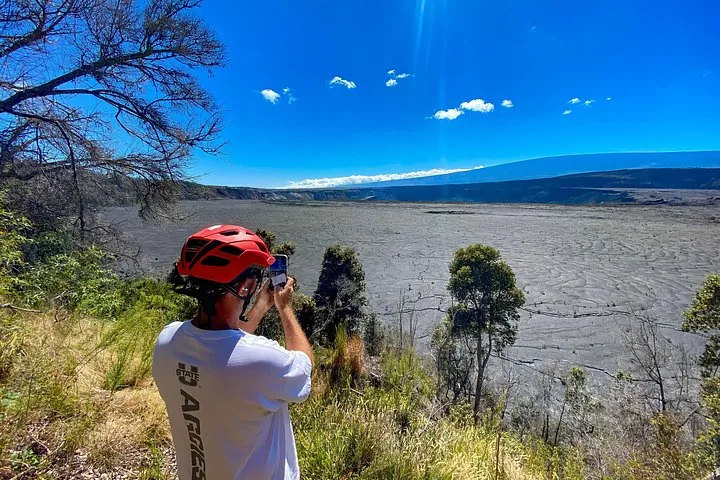
- Drop-offs: Stay on marked overlooks to avoid fragile earth and sudden falls.
- Heat: Areas like the Puʻuloa Petroglyphs trail have zero shade. Bring plenty of water.
Can we drive to the main sights?
Yes, driving is the most common way to visit and is very convenient for families.
You can drive the 18.8-mile Chain of Craters Road, which descends 3,700 feet to the coast. This lets kids see the dramatic landscape from the safety of the car. Check for road closures on the National Park Service app before your trip.
Questions travellers ask
Can we bring a stroller?
Many overlooks and paths, like the Devastation Trail, are paved and accessible. However, rugged trails over hardened lava are not suitable for strollers.
Are there places to buy food for kids inside the park?
Food options inside the park are very limited. You should pack snacks or a picnic lunch, plus plenty of water in reusable bottles.
Is it safe for kids to touch the lava rocks?
Kids can touch the rocks safely on trails, but taking lava rocks, sand, or minerals from the park is strictly illegal and disrespectful to Hawaiian culture.