In short
- Bring a fleece or sweater for the chilly 4,000-foot summit.
- Wear closed-toe shoes to walk safely on sharp lava rocks.
- Pack a rain jacket, sun protection, and a flashlight.
In this article
The weather at Hawaiʻi Volcanoes National Park differs drastically from nearby beaches. You will encounter rain, wind, and chilly air at higher elevations. Proper planning keeps you safe and comfortable.
Why do I need a warm jacket in Hawaii?
The Kīlauea Visitor Center sits at roughly 4,000 feet above sea level.
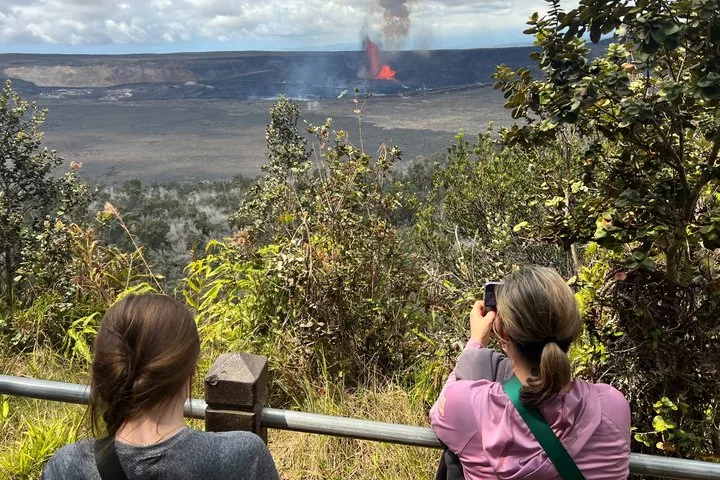
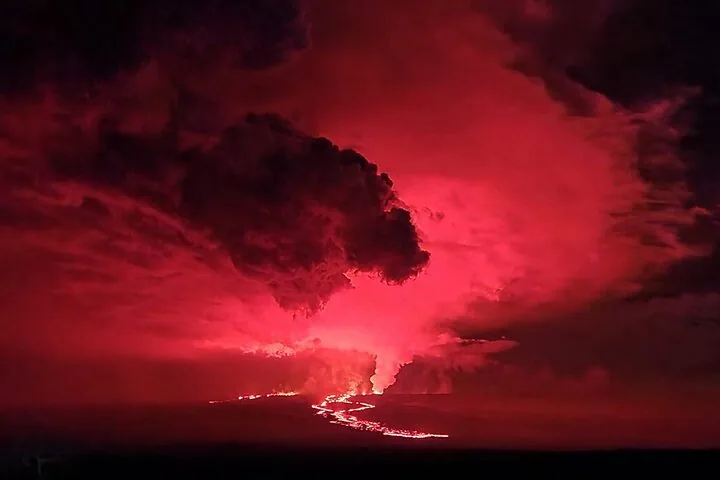
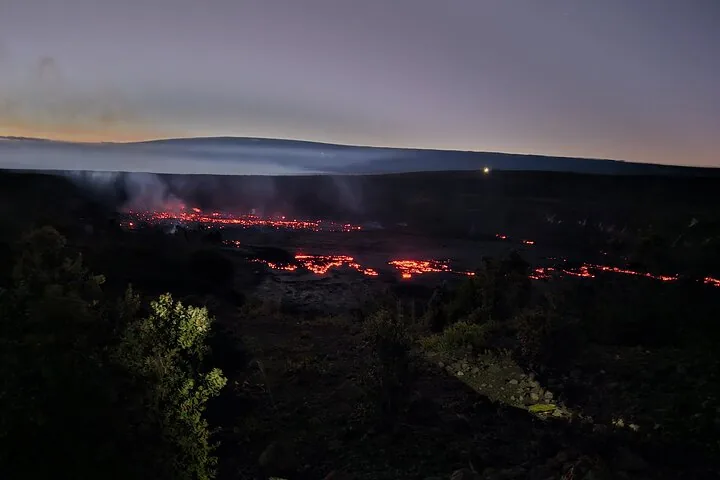
Summit weather changes rapidly and is frequently misty. Temperatures drop significantly at this elevation. It feels especially chilly at night if you stay to view the volcanic glow. Bring a fleece or warm sweater.
Can I wear sandals in the park?
No, you need sturdy, closed-toe hiking shoes or boots.
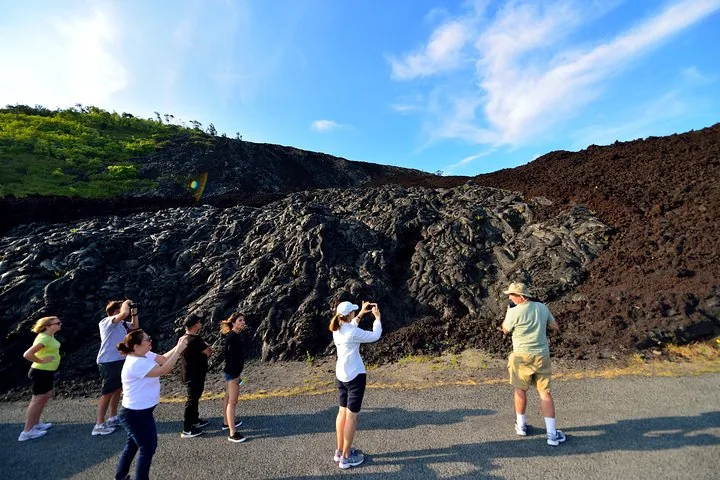
Many trails cross over sharp, uneven hardened lava. Open-toe shoes expose your feet to cuts and do not provide enough support. You need solid footing on routes like the Kīlauea Iki Trail.
How do I prepare for weather changes?
Pack both a rain jacket and comprehensive sun protection.
The weather shifts quickly from sunny to wet. Bring a waterproof poncho or rain jacket. You also need a wide-brimmed hat, sunglasses, and reef-safe sunscreen for exposed areas like the Puʻuloa Petroglyphs hike.

What else should I bring in my daypack?
Carry a flashlight, extra water, and your own food.
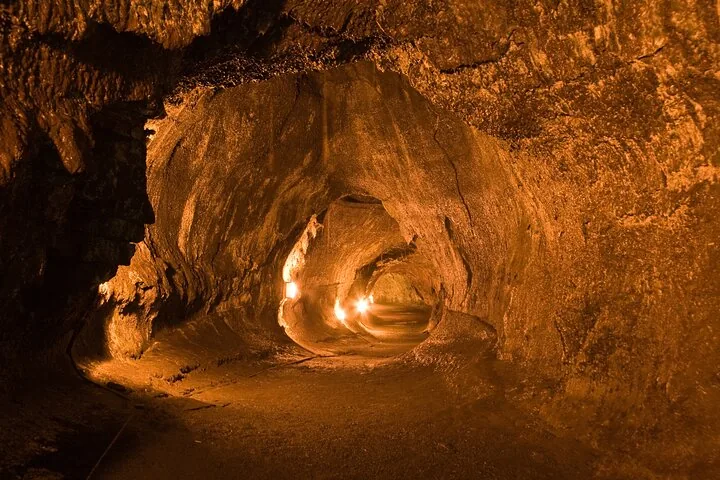
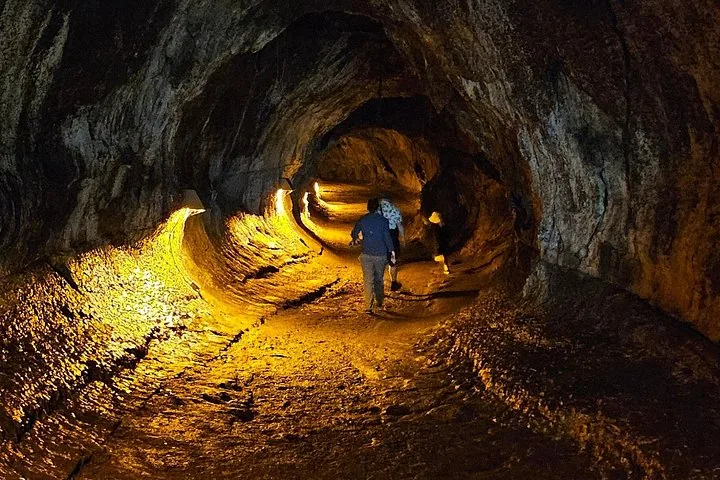
Food options inside the park are very limited. Pack snacks or a picnic lunch. Bring a reusable water bottle to use the refill stations at the visitor center. A flashlight or headlamp is essential for exploring Nāhuku (Thurston Lava Tube).
Do conditions vary across the park?
Yes, the park protects seven distinct ecological zones.
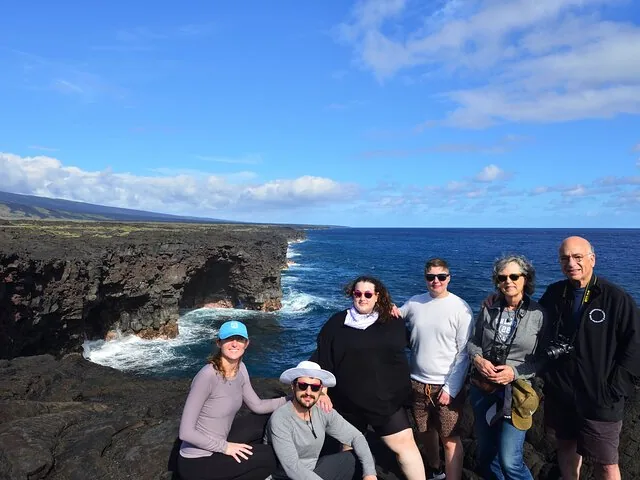
You will experience drastic climate shifts as you drive Chain of Craters Road. The route descends 3,700 feet from the misty summit down to the coastal plain. Dress in easily removable layers.
Do guided tours provide weather gear?
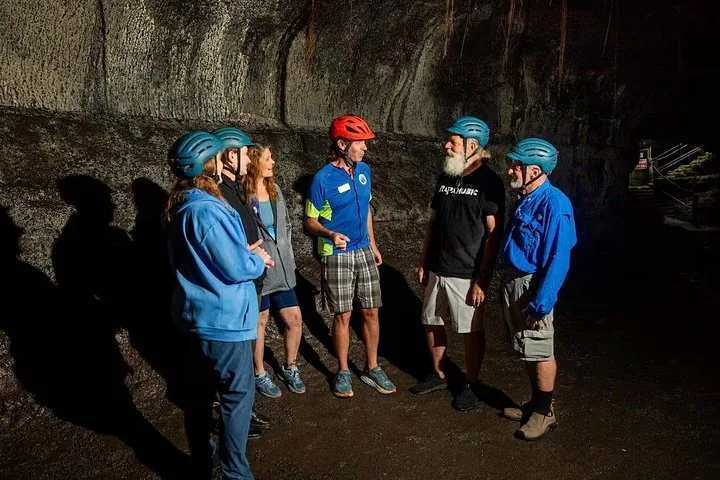
Some full-day guided tours provide raincoats and umbrellas.
If you book a van tour departing from Kona or Hilo, check what the operator supplies. Some comprehensive day trips include coats, rain gear, meals, and snacks. This saves space in your luggage.
Questions travellers ask
What happens if I breathe in vog or volcanic gas?
Vog (volcanic smog) and sulfur dioxide gas can be dangerous. It poses risks for pregnant women, young children, and those with respiratory or heart conditions. Avoid trails near active vents if you are sensitive.
Are there places to buy food inside the park?
Food options inside the park are very limited. Bring your own snacks or a picnic lunch for the day.
Do I need a physical map?
Cell service can be unreliable. Bring a fully charged smartphone with offline maps downloaded before you enter the park.